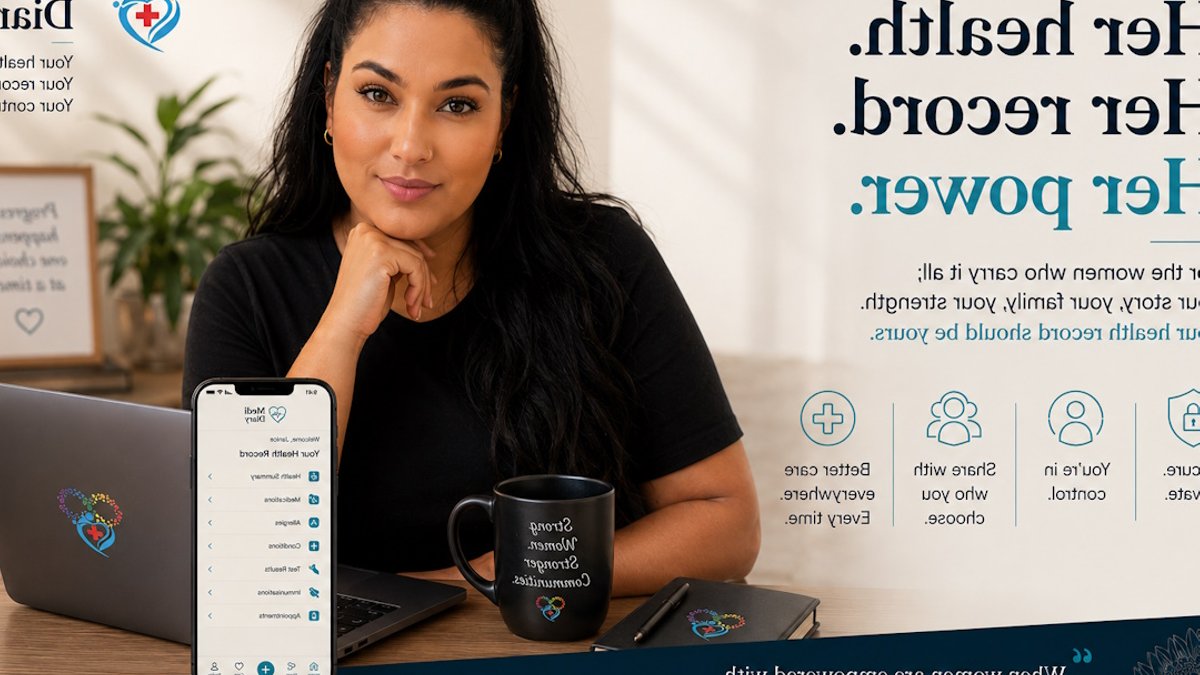
South Africans who rely on a single, patient‑owned health record may soon find that the system they need already exists, as a new platform aims to give individuals full control over their medical history.
Why a unified record matters for patients
Patients with chronic illnesses often see multiple providers, each documenting only a fragment of the overall picture. In the case of autoimmune disorders, a global average of 4.5 years passes before a correct diagnosis is reached, during which a typical patient consults roughly four doctors. The medication used to manage these conditions can also impair memory, making it difficult for patients to recount recent symptoms accurately at each appointment.
When a specialist asks for recent changes, the patient may struggle to recall details, especially if they are on drugs that affect cognition. This gap can lead to repeated tests, delayed treatment adjustments, and added stress for families who must fill in the missing information.
The new solution, Medi Diary, is built around a single, portable health record that travels with the patient. By consolidating past consultations, lab results, medication lists, and personal health baselines, the platform lets any doctor view a complete history without relying on the patient’s memory at the moment of care.
Related: Call Me dispute haunts Vodacom deal
Features designed from lived experience
These capabilities reflect the reality that, in many South African households, women serve as the informal health record keepers. Research shows they often track medication schedules, allergies, and doctor visits for children, aging parents, and partners, without formal recognition or compensation. The design acknowledges this unpaid labor and offers a digital tool to ease the burden.
From a practical standpoint, a unified record can reduce unnecessary duplication of tests and streamline referrals. For example, a rheumatologist can compare a patient’s current lab values to a baseline established years earlier, spotting trends that might otherwise be missed. This continuity becomes especially valuable in a health system transitioning toward a National Health Insurance model, where coordinated care is essential.
Adoption will save time.
While the platform promises technical benefits, its real impact will be felt by families who have long managed health information in the shadows. Imagine a mother who, after a flare, no longer has to scramble to remember the exact dosage changes her doctor prescribed weeks before. Or a caregiver who can instantly pull up a grandparent’s medication list during an emergency, rather than searching through scattered notes.
Related: Firms explain AI confidence divide
In practice, the availability of a single, patient‑owned record could shift how South Africans approach their own health. It puts the responsibility—and the power—back into the hands of those who need it most, rather than leaving it to overburdened clinic staff or fragmented databases.
Critics may argue that adoption will depend on digital literacy and access to reliable internet, challenges that persist in many communities. Nevertheless, the concept highlights a broader shift: health records should answer to the individual, not to the building that houses them.
For those who have already taken on the role of family health coordinator, a unified record could finally provide the official support they have been delivering informally for years. As the platform rolls out, its real test will be whether it can deliver on the promise of continuity, convenience, and control for patients across South Africa.


