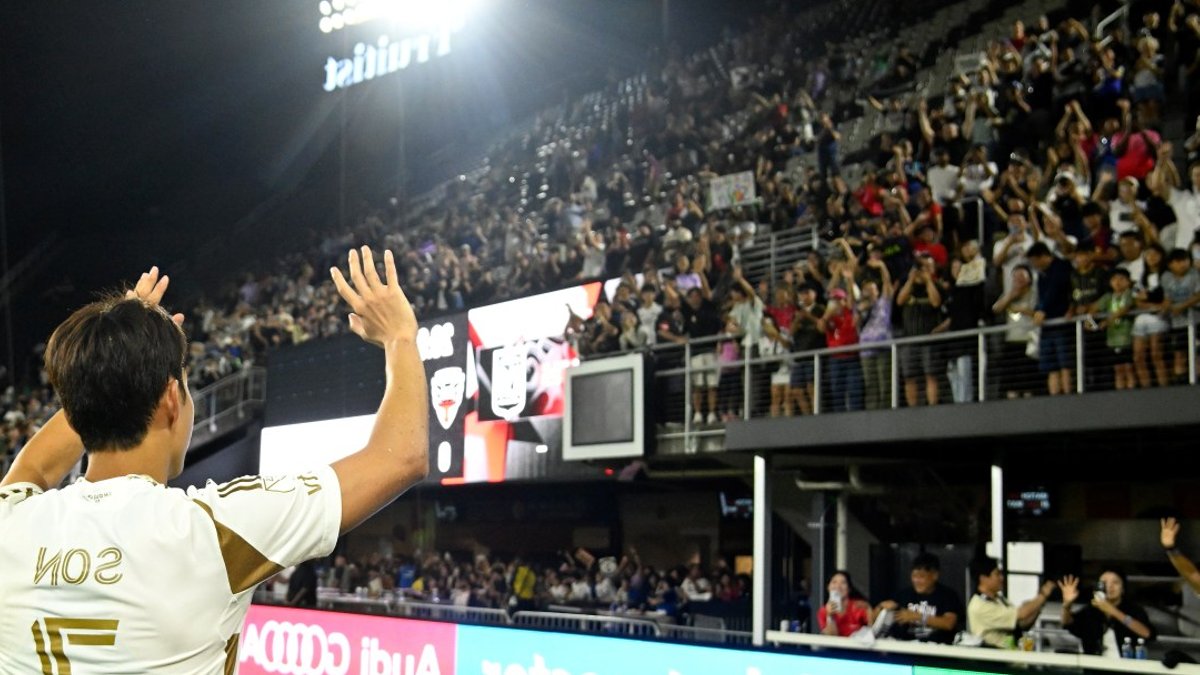
Collaborative Fund announced a minority investment in D.C. United and its home venue, Audi Field, marking the latest venture‑capital foray into professional sports after Thrive Capital opened the door with its own vehicle.
From Tech Deals to Trophies
Joshua Kushner’s firm created Thrive Eternal, a permanent‑capital pool designed to hold “iconic franchises and cultural institutions.” The vehicle’s first public move was a stake in the San Francisco Giants, followed months later by a full purchase of the Los Angeles Lakers for a record $12.5 billion. This bold step signaled that technology‑driven investors were willing to allocate deep pockets to storied athletic brands.
The move also illustrated a shift in how capital is marshaled for sports assets, moving away from ad‑hoc deals toward structured, long‑term ownership vehicles that can weather market swings.
Historically, ownership of teams has come from two main sources: personal tech fortunes and private‑equity firms. Vinod Khosla’s family recently paid a record $9.6 billion for the Seattle Seahawks and also took a slice of the San Francisco 49ers alongside OpenAI’s Bret Taylor. Private‑equity groups such as Sixth Street, Ares, RedBird and Arctos have long held stakes across the NFL, NBA, MLB and European soccer. Their involvement has introduced sophisticated financial engineering and cross‑industry partnerships that reshape how clubs generate revenue.
Read Also: AI Skeptic Joins OpenAI Board
These investors have often treated franchises as balance‑sheet assets, leveraging broadcast contracts and merchandising to boost returns. The pattern set by earlier deals created a template that newer funds now emulate.
Both Thrive and the fund are deviating from those models. Thrive built a dedicated, long‑term holding structure. The firm, however, is using capital from its regular early‑stage pool, treating the acquisition more like an infrastructure project than a classic buy‑and‑hold. This approach allows the company to test consumer concepts in a live‑event environment while still preserving the upside of ownership.
Why a Soccer Club?
In a memo to investors, founder Craig Shapiro described a franchise as “the ultimate consumer product.” He highlighted D.C. United’s status as a founding MLS club and its built‑in fan base as a platform for growth. The narrative emphasized that a sports team offers repeated, high‑frequency touchpoints with a passionate audience.
Shapiro also pointed to broader market forces: a World Cup just behind the sport, the upcoming Los Angeles Olympics, and rising youth participation. The franchise’s ownership of its stadium and a development pipeline in Loudoun County, plus rights to a future Baltimore expansion team, add further appeal. These trends create a pipeline of fans and potential customers that can be tapped by portfolio brands.
Read Also: Falcon Guardian uncovers thousands of unauthorized agents
He noted that the club’s location in the nation’s capital provides unique sponsorship opportunities tied to government agencies, NGOs, and international organizations that frequently host events in the area.
The plan goes beyond pure appreciation. Collaborative aims to turn the stadium into a living showcase for portfolio companies. A wearable‑tech maker and a beverage brand backed by the firm could appear in fan‑experience activations, turning predictable game‑day traffic into a distribution channel. By embedding products in the stadium experience, the fund hopes to collect real‑time usage data that can inform broader market rollouts.
For fans, this could mean more integrated experiences at the venue, from health‑monitoring wristbands to alternative soda options, blending everyday products with live sport.
Fans could see new products on match days.


