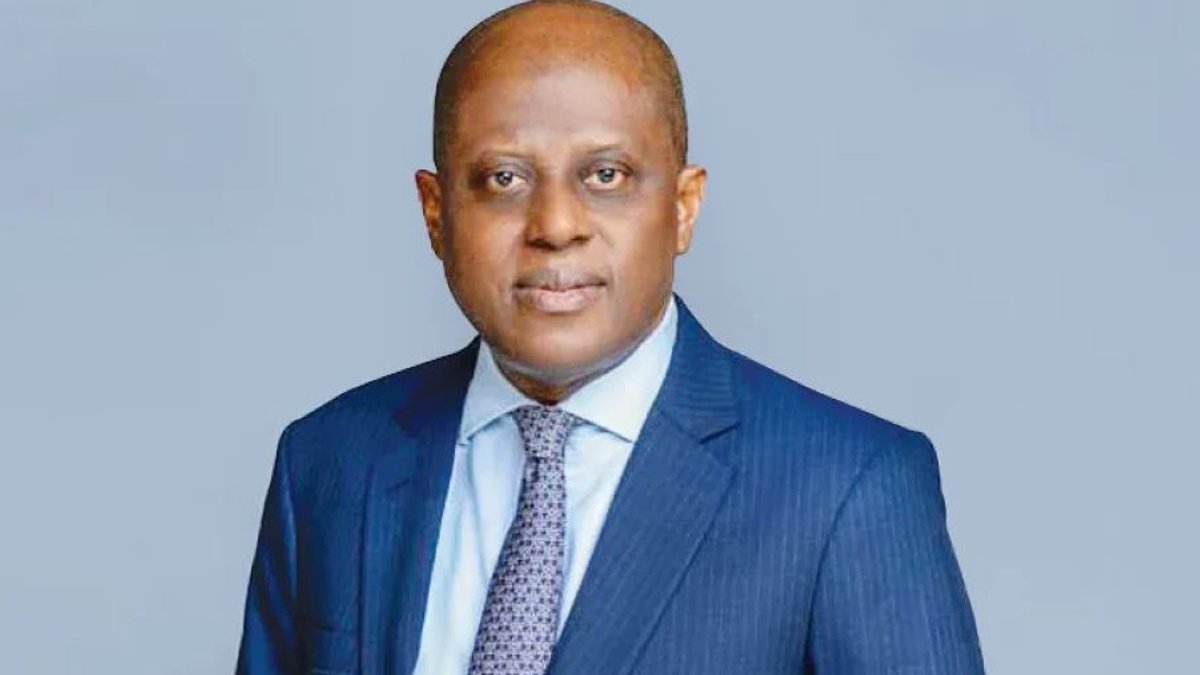
Yemi Cardoso, governor of Nigeria’s Central Bank, has been chosen to chair the Africa Finance Corporation’s board, broadening his authority over the continent’s infrastructure financing. The announcement on October 14, 2026, replaces Ireti Samuel-Ogbu, who occupied the position since April 2025. With this appointment, Cardoso becomes the sixth Nigerian to lead the corporation since its establishment in 2007.
His selection stems from a career marked by financial policy expertise and international banking experience. Before assuming the CBN role in September 2023, he led Citibank Nigeria for 12 years and previously served as Lagos State’s commissioner for economic planning. During his CBN tenure, he has overseen monetary reforms, banking sector recapitalization, and initiatives to enhance economic transparency.
The Africa Finance Corporation operates as a multilateral development institution dedicated to securing capital for infrastructure and industrial development across Africa. Since its founding, it has committed over $19 billion to projects in 36 countries, covering transport, energy, and digital infrastructure. Notable recent initiatives include a $753 million railway modernization in Angola and a $600 million financing package for Dangote Group’s fertilizer production expansion in Nigeria.
Cardoso’s leadership aligns with AFC’s long-term initiative, The Africa We Build 2050, which aims to advance industrialization and employment across the continent. Zubairu, the corporation’s CEO, noted that Cardoso’s appointment will help mobilize African capital for growth-oriented projects. The AFC’s membership now includes 48 countries, showing its expanding influence in regional development.
Nigeria’s persistent leadership role at AFC demonstrates its central position within Africa’s financial systems. The effectiveness of Cardoso’s chairmanship will hinge on the corporation’s ability to secure funding and deliver on commitments. His background in monetary policy and banking may enhance AFC’s collaboration with governments and investors, particularly as Nigeria seeks economic stabilization and foreign investment.
Cardoso’s academic qualifications, including degrees from Aston University and Harvard’s Kennedy School, reinforce his reputation as a strategist with both technical skills and global perspective. His simultaneous roles as CBN governor and AFC chairman further highlight Nigeria’s expanding role in shaping the continent’s economic direction.
According to local reports, the appointment follows a period of heightened focus on infrastructure financing across Africa, with multiple nations seeking to leverage development institutions for large-scale projects. Cardoso’s dual responsibilities may also influence Nigeria’s approach to regional economic coordination, particularly in sectors where the AFC has demonstrated impact.


